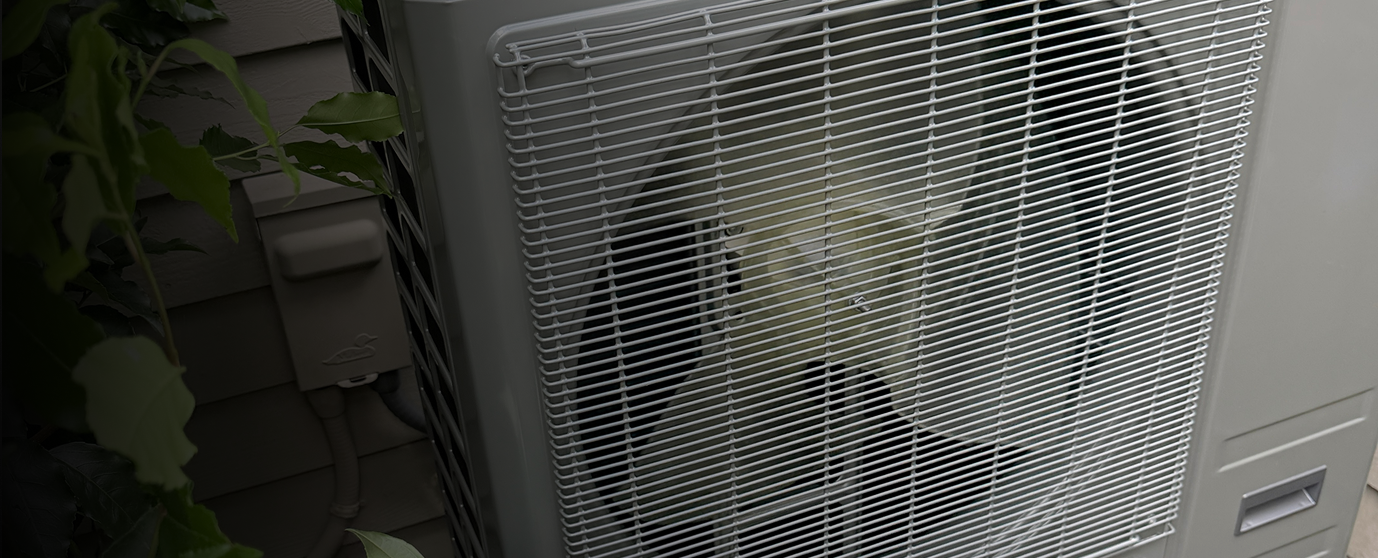




What Is a Heat Pump?
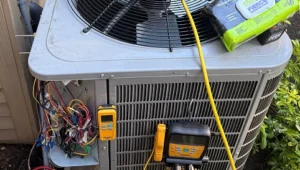
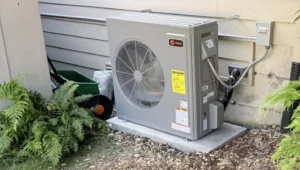
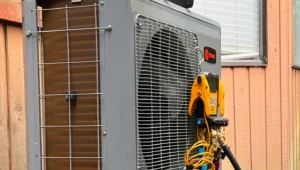
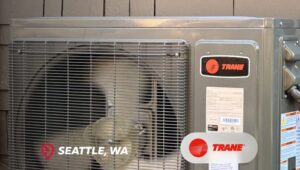
A heat pump is one outdoor unit that heats your home in winter and cools it in summer. No separate furnace, no separate AC — one system instead of two.
Because it moves heat instead of burning fuel, most Seattle homes see lower power bills after switching. The drop is biggest on homes coming off oil or electric resistance heat.
Comfort is the other piece. Heat pumps run steadily at lower output instead of cycling hot-cold like a furnace, so the temperature stays even across the day. AC is built in too — a real bonus in older homes that never had cooling. Modern cold-climate units handle Seattle winters down to single digits without backup heat. With regular heat pump service, a system like this runs 15–20 years.
Whether your heat pump just stopped working, you’re replacing an old system, or you’re switching from a gas furnace for the first time — here’s what our heat pump service covers across King and Snohomish County.
Heat Pump Repair
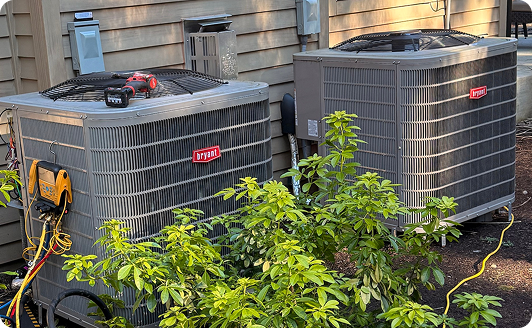
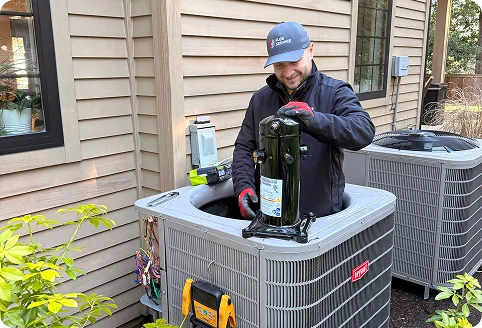
Not heating, not cooling, blowing room-temperature air, or showing an error code? Our heat pump service covers all major brands: compressor issues, refrigerant leaks, reversing valve faults, defrost board problems, frozen outdoor coils. Most repairs are handled same-day across Seattle, Bellevue, Kirkland, and the rest of King and Snohomish County.
Heat Pump Installation
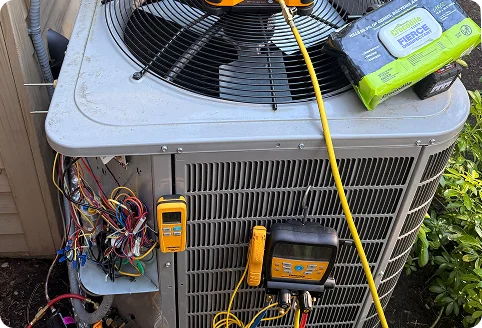
Switching from a furnace, electric baseboard, or window units? A heat pump installation replaces all of that with one system that heats and cools. We size the unit to your house, pull permits, and handle the full install — ductwork connections or mini-split line sets included.
Heat Pump Replacement
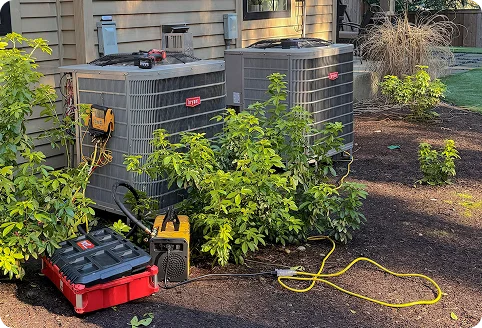
If your system is over 12-15 years old, has needed repeated repairs, or can’t keep up with your home’s load, replacement usually costs less over time than patching the old unit. We remove the existing system, install the new one, and handle permits and disposal.
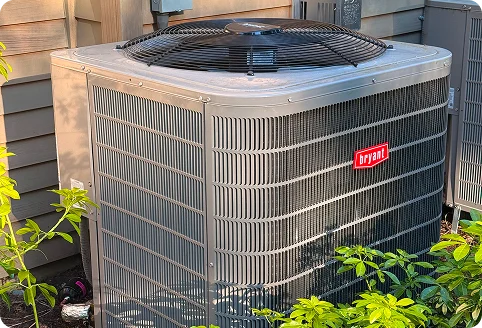
Heat Pump Maintenance
One spring or fall heat pump service visit covers refrigerant pressure, coil cleaning, electrical inspection, and filter replacement. It catches small problems before they turn into compressor failures — the most expensive repair on a heat pump. Annual service also keeps most manufacturer warranties valid.
Repair or Replace?
Heat pumps usually last 15-20 years with regular service. Somewhere around year 10-12, every repair becomes a math problem: fix this one, or put the money toward a new system that’ll run another 15 years and cut your electric bill. Here’s how we think about it on the call.
| Repair makes sense if: | Replacement makes sense if: |
|---|---|
| System is under 10 years old | System is over 12–15 years old |
| It’s a single failed component (capacitor, contactor, sensor, defrost board) | You’ve had 2+ repairs in the last two years |
| Refrigerant is the original type (R-410A or R-454B) | The compressor failed, or it uses R-22 refrigerant |
| Repair cost is under 30% of replacement cost | The system can’t hold temperature on cold mornings, even when working |
| Annual maintenance has been done | You’re seeing electric bills creep up year over year |
| You want better efficiency and cold-weather performance |
A quick test: multiply the repair quote by the age of the system. If it’s over $5,000, replacement is usually the better call. A $400 repair on a 6-year-old unit is $2,400 — easy fix. A $1,200 repair on a 14-year-old unit is $16,800 — that’s a new system.
Either way, we’ll tell you straight. We don’t push replacements when a repair holds, and we don’t patch systems that aren’t worth saving.
Brands We Service
We install and service the major heat pump brands: Mitsubishi Electric, Bosch, Trane, Carrier, Lennox, Goodman, RunTru. We stock the most common parts on the truck so most repairs don’t need a second visit.





Areas We Serve
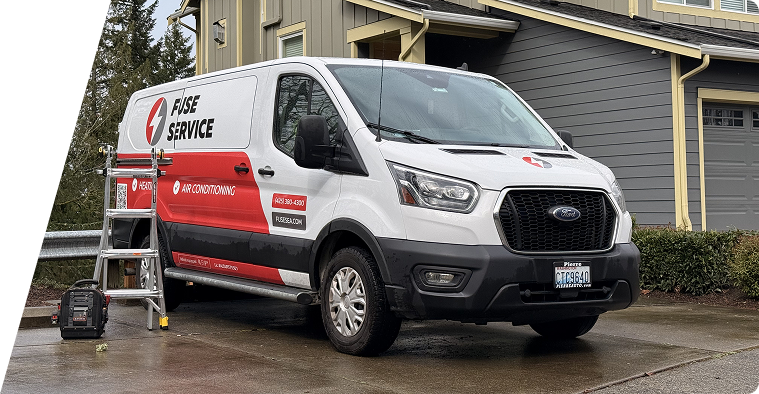
Fuse Service provides heat pump service across King County and Snohomish County. Our technicians know local permitting requirements, building codes, and the specific comfort challenges of Pacific Northwest homes — from craftsman bungalows to new construction.