 by
by 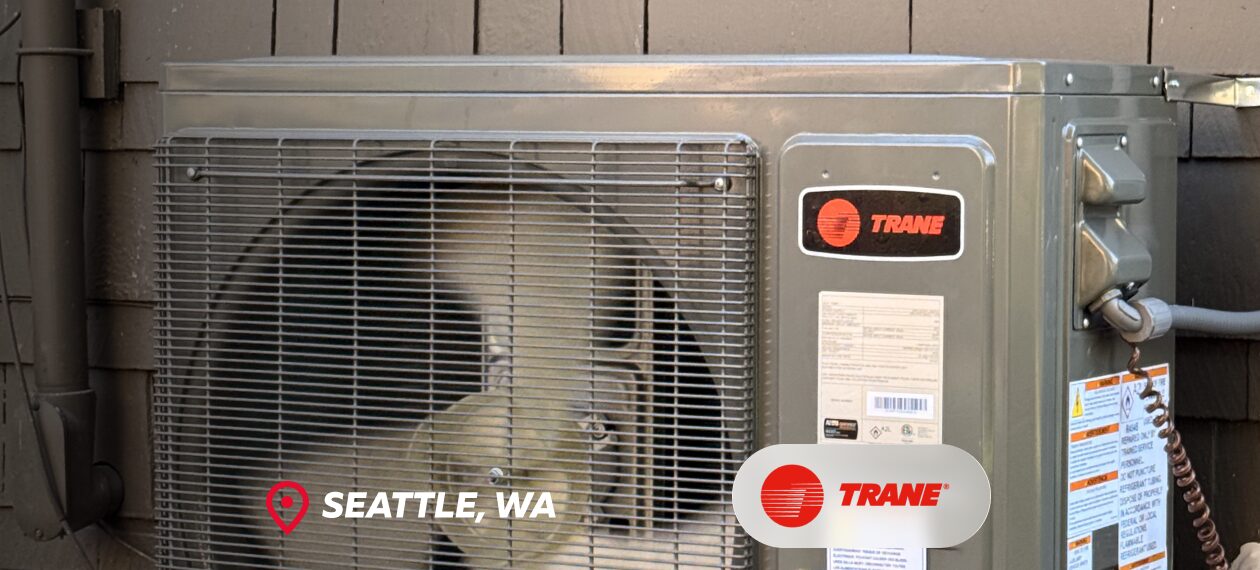
Quick Overview
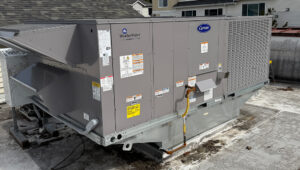
The furnace quit in January. No drama — it just stopped working overnight. The homeowner called wanting heat back, but also asked something we don’t always hear: “Can we add AC at the same time?” This situation is a classic scenario for considering an RTU replacement.
Yes. And it made sense to do it as one job. RTU replacement often allows for added efficiencies and upgrades like integrating AC with heating.
What We Put In
Two Trane units, working as a single system.
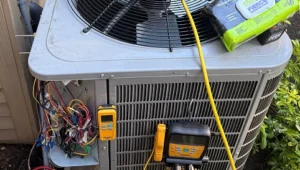
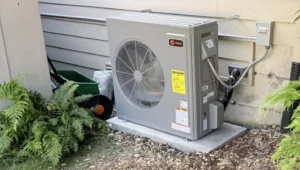
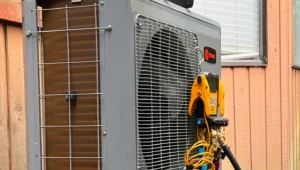
Trane 2-Ton Heat Pump (16 SEER2)
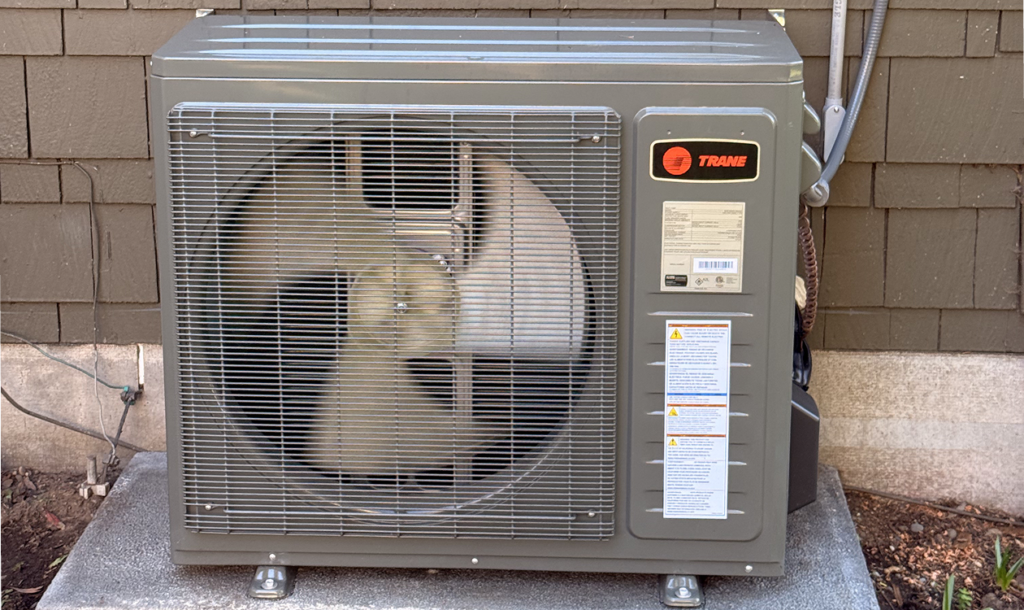
This does all the cooling in summer. It also handles heating through spring, fall, and the milder parts of winter — which in Seattle is most of the year. A heat pump moves heat rather than generating it, so the electricity costs per BTU are significantly lower than running gas when it’s above freezing. Additionally, planning for RTU replacement ensures the new equipment is properly configured for these functions.
Trane 96 Single-Stage Gas Furnace
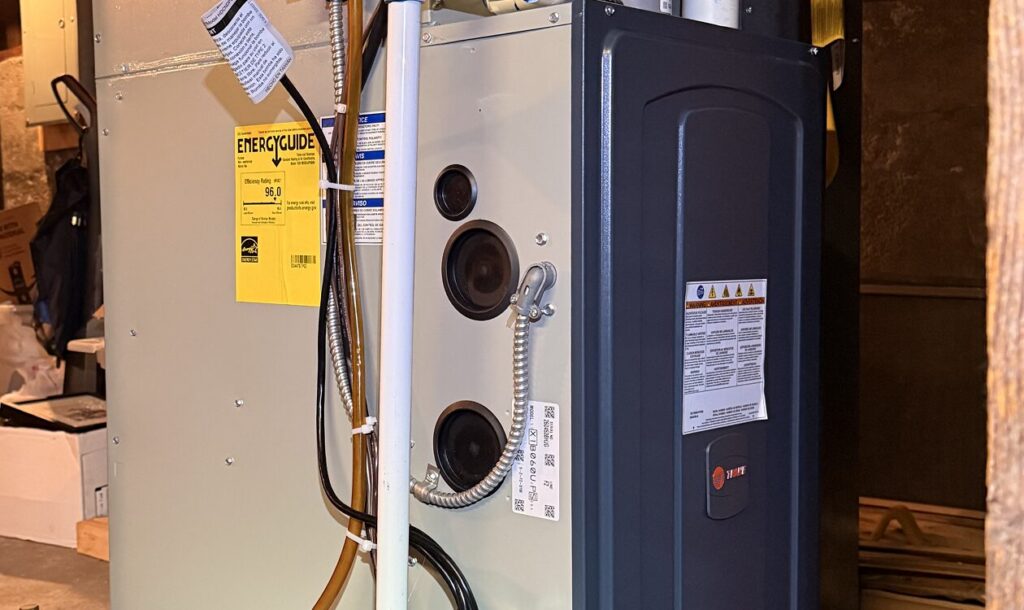
Heat pumps lose efficiency as temps drop. Below a certain outdoor threshold, it costs more to run one than it saves. That’s where the gas furnace takes over — it puts out serious heat without asking the heat pump to work outside its range. This dual system is a prime example of how a replacement RTU works efficiently for varying temperatures.
Two units, one system. Each does what it’s actually good at. With an RTU replacement, coordination between devices is seamless and can be customized for efficiency.
How the Switching Works
The Nest Learning Thermostat (4th Gen) controls both. The homeowner sets the temperature. The thermostat figures out which heat source is cheaper based on outdoor conditions and switches automatically. There’s no mode to select, nothing to manage. This highlights how RTU replacement can simplify system operation.
Over the first few weeks it tracks the home’s heating patterns and fine-tunes its behavior. After that it mostly just runs. For complex systems that use both heat pumps and furnaces, RTU replacement makes smart thermostat integration smoother.
The Install
This wasn’t a straight swap — the old setup needed real work before the new equipment would perform right. In fact, a thorough rtu replacement was essential for optimal performance.
The supply air plenum was the wrong size for the new system. We fabricated a new one. Reusing it would have been faster, but airflow would have been off and efficiency would have suffered.
The heat pump also needed dedicated electrical: new breakers, conduit, and a proper disconnect. Not something you tap into existing circuits.
New concrete pad outside for the Trane unit — leveled and positioned for clearance. And the thermostat required dual-fuel wiring to coordinate both systems. Without that, you just have two units that don’t know about each other. In other words, correct installation is as crucial as the RTU replacement itself.
Where It Landed
One job covered what would normally be two separate projects: furnace replacement and a new AC system. The homeowner has heat on cold nights and cooling through summer, running off a setup that automatically chooses the cheaper option most of the year. This is only possible through a well-planned rtu replacement process.
Seattle summers have been warmer. A gas-only furnace is expensive to run in April and May when a heat pump would do it for less. This is what fixing both at once looks like with an RTU replacement.